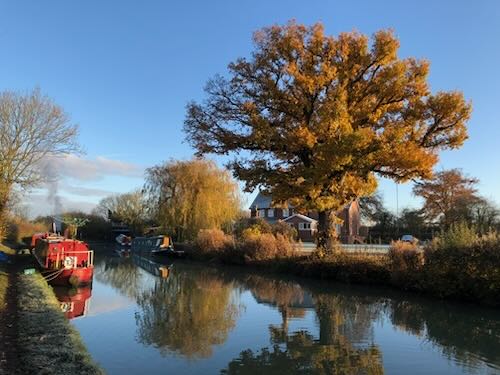
 Things You Should Know Before Living on a Narrowboat
Living on a narrowboat can sound like the perfect escape from the hustle and bustle of everyday life. Imagine waking up beside a peaceful canal, moving from one beautiful countryside location to another, and enjoying a simpler way of life with everything you need on board.
But while narrowboat living can be incredibly rewarding, it isn't quite the carefree adventure that social media can sometimes make it look. Life on the water comes with its own routines, responsibilities, costs and challenges.
If you're considering making the move, here are some of the most important things you should know before living on a narrowboat.
Space is limited — really limited
One of the biggest adjustments is learning how to live with much less space.
A typical narrowboat is only around seven feet wide, and although lengths vary, living space is still considerably smaller than in a conventional house or flat. You'll need to think carefully about what you bring on board because there simply isn't room for endless clothes, kitchen gadgets or belongings you rarely use.
Storage becomes extremely important. Beds with built-in storage, clever shelving and multi-purpose furniture can make a huge difference.
Before moving aboard, ask yourself: Do I really need this?
You may be surprised by how liberating it can be to own less, but the process of downsizing can take some getting used to.
You still have bills
Living on a narrowboat doesn't mean living for free.
You'll need to budget for things such as:
- Mooring fees, if you use a permanent mooring
- Boat insurance
- Licence fees
- Fuel
- Gas
- Electricity
- Maintenance and repairs
- Pump-outs or toilet servicing, depending on your setup
- Engine servicing
- Winterisation and other seasonal costs
One of the biggest mistakes prospective boaters can make is focusing solely on the purchase price of the boat.
A narrowboat is a home, but it's also a machine that floats. Engines, plumbing, batteries, heating systems and other equipment occasionally need attention, and repairs can be expensive.
It's wise to have an emergency fund for unexpected problems.
Water and electricity require more thought
In a house, you can turn on a tap or plug something into a socket without giving much thought to where the resources come from.
On a boat, you'll become much more aware of your consumption.
Your freshwater tank has a finite capacity, so you'll need to keep an eye on the level and refill it regularly. Similarly, electricity requires planning, particularly if you're not connected to shore power.
Many liveaboards use a combination of batteries, solar panels and engine-generated power. You'll quickly become familiar with concepts such as battery capacity, charging cycles and energy consumption.
You may also discover that appliances you took for granted on land can consume a surprising amount of electricity.
Living aboard encourages you to become much more conscious of what you're using — which can be a positive change.
Your toilet will become a conversation topic
Boat toilets are not quite the same as the one you have at home.
Depending on the boat, you might encounter cassette toilets, pump-out systems, composting toilets or other arrangements.
Whatever system you choose, you'll need to understand how it works and where it can legally be emptied or serviced.
It might sound like a minor detail, but toilet management is one of those realities of narrowboat living that surprises people who have never lived aboard.
You'll also need to think about your water and waste systems more generally. On a boat, you can't simply assume that everything disappears down a drain.
Winter can be beautiful — and challenging
A frosty morning beside a quiet canal can be magical.
It can also be very cold.
Good insulation and a reliable heating system are essential. Many narrowboats use solid-fuel stoves, diesel heating or other systems to keep the interior warm.
You'll also need to think about condensation. Because you're living in a relatively small, enclosed space surrounded by cold water and changing temperatures, moisture can quickly become an issue.
Ventilation, heating and sensible drying of clothes are all important for preventing damp and mould.
Winter also brings practical concerns such as frozen pipes and water systems, particularly during periods of severe cold.
Cruising isn't always as spontaneous as it sounds
One of the attractions of narrowboat life is the freedom to travel.
However, cruising involves planning.
Canals have locks, bridges, tunnels, stoppages and other restrictions. Some routes can take considerably longer than they appear to on a map.
You'll need to learn how the waterways work and understand the rules associated with your licence and mooring arrangements.
If you're continuously cruising rather than keeping a permanent mooring, you'll also need to understand the requirements around moving your boat and staying in different locations.
The romantic idea of simply stopping wherever you fancy doesn't always match the practical reality.
Learn to love locks
Locks are an essential part of many canal journeys.
At first, operating one can seem complicated. You'll need to understand how the gates and paddles work and how to control your boat safely, but the good news is that it gets easier with practice.
Locks can also become one of the most enjoyable aspects of boating. You'll often encounter other boaters at locks, and there's usually a strong culture of helping one another.
Just remember that a boat is heavy, water can be powerful and situations can change quickly. Take the time to learn proper procedures rather than trying to rush.
Internet access isn't guaranteed
If you work remotely, don't assume that you'll have perfect internet everywhere.
Mobile coverage can vary considerably along the waterways, particularly in rural areas, so if working online is essential, consider having reliable mobile data arrangements and potentially more than one network. It's also worth planning ahead for important meetings or periods when you need a particularly stable connection.
For some people, limited connectivity is part of the appeal. For others, it can become a significant inconvenience.
Grocery shopping takes planning
You won't always be able to pop into a supermarket whenever you realise you've run out of milk.
Some canal stretches are wonderfully remote, which is part of their charm, but it also means shops may be several miles away, so you'll quickly become better at planning meals and keeping sensible supplies on board.
A bike can be incredibly useful. It allows you to leave the boat behind and reach shops, railway stations, pubs and other amenities without having to move your entire home.
Maintenance is part of the lifestyle
A narrowboat requires regular attention.
You'll need to keep an eye on things such as:
- The engine
- Batteries
- Plumbing
- Heating
- Water systems
- Roof and exterior paintwork
- Windows and vents
- Bilge areas
- Mooring equipment
You don't necessarily need to become a fully qualified marine engineer, but having some basic mechanical and practical skills can save you time, money and frustration.
You'll also learn that preventative maintenance is much easier than dealing with a major problem when you're miles from anywhere.
You'll probably become much more weather-aware
When you live in a house, bad weather can feel like something happening outside, but on a narrowboat, you're much more connected to it.
Heavy rain, strong winds, freezing temperatures and rising water levels can all affect your day, but you'll soon become accustomed to checking forecasts and thinking about how conditions could affect your plans.
That connection to the seasons is one of the things many people love about living aboard. You notice the changing weather, wildlife and landscape in a way that's easy to miss in everyday urban life.
Privacy can be different
A narrowboat may feel wonderfully private when you're moored in a quiet rural spot, but canals can also pass directly through towns, villages and residential areas.
Walkers, cyclists and other boaters may pass close to your windows, so depending on where you're moored, you might have considerably less privacy than you expect.
Curtains and sensible positioning of your boat can help, but it's worth remembering that you're living in a very visible home.
Your relationship with your neighbours may change
One of the unexpected pleasures of narrowboat life is the boating community.
People often share advice, lend tools, help with locks and exchange information about waterways and mooring spots.
You'll probably meet a wide variety of people, from long-term liveaboards to weekend boaters and people who have been travelling the canals for decades.
Like any community, there can be disagreements and different opinions, but there's often a strong sense that boaters look out for one another.
Security still matters
A boat is a home, so basic security shouldn't be overlooked.
Good locks, sensible security habits and awareness of your surroundings are important. It's also worth keeping valuables out of sight and checking your insurance requirements.
If you're leaving the boat for an extended period, take sensible precautions and make sure your insurance covers your circumstances.
You need to be comfortable with uncertainty
Perhaps the biggest psychological change is accepting that things don't always go according to plan.
The engine might refuse to start.
A lock might be closed.
Your water tank might run low.
The weather might change.
A planned journey might take twice as long as expected.
Living on a narrowboat can teach you to slow down, adapt and solve problems as they appear.
If you need everything to happen exactly according to schedule, boat life may occasionally test your patience.
It can be wonderfully peaceful
Despite all the practical challenges, there's a reason people fall in love with narrowboat living.
You can wake up surrounded by countryside, watch the seasons change from your front window and move your home whenever you fancy a change of scenery.
There's something special about travelling slowly. Instead of rushing from one destination to another, the journey itself becomes part of the experience, and you find yourself noticing birdsong, sunsets, towpaths and tiny villages that you'd never have encountered from a motorway.
Try it before committing
If you're seriously considering becoming a liveaboard, spend some time on a narrowboat first.
A weekend away is a good start, but a longer stay can teach you much more. Try living with limited water, limited electricity and limited space. Cook meals onboard. Take showers. Deal with condensation. Empty the toilet. Spend a few days without unlimited internet.
The things that bother you — and the things you love — will become much clearer.
You could even consider renting or hiring different types of boats before deciding what layout and equipment suit you.
Final thoughts
Living on a narrowboat isn't simply about buying a boat and escaping conventional life. It's a lifestyle that requires planning, maintenance, adaptability and a willingness to live with fewer possessions and fewer conveniences, but for the right person, those compromises can be exactly what makes it appealing.
You'll probably become more resourceful, more aware of your surroundings and much more conscious of the simple things that make a home comfortable.
The key is to go into it with realistic expectations. Enjoy the romance of life on the water, but don't ignore the practical realities.
A narrowboat can be a wonderful home — just make sure you're ready for everything that comes with owning one.